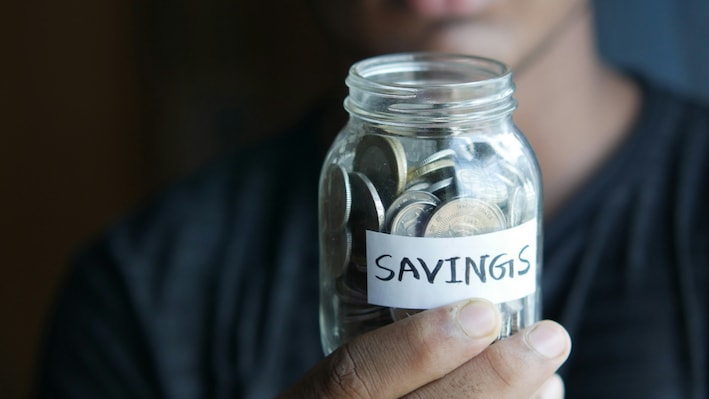
New Delhi: Wealth creation has no single route that can be accessed quickly. Even a rise in salary does not guarantee a good bank balance. Rather, a calculated approach towards sorting your income for expenses and savings may help you create a buffer that provides a dependable safety cushion. It is a long-term process that requires discipline and financial strategy. Thus, it becomes necessary to keep an eye on habits that may eat away at your wallet.
Earning more does not guarantee a healthy bank balance, whereas a person with a relatively lower income may have enough savings to depend on in times of crisis or to spend on vacations. It begins with introspection. Look for the leaks in your monthly budget and fix your money habits.
Waiting for the right time
People often wait for the right time, the right salary, or the right job to start saving and investing. However, the right time never arrives for those who keep waiting. One does not have to save a large chunk; one may start small if the monthly income is limited. What matters is inculcating a habit of saving and investing. Usually, people are advised to save 20–30 per cent of their salary. However, this may vary depending on one's necessary expenses. The amount can be increased as the salary grows.
Savings should not become a burden. Thus, set aside the amount your pocket allows while also keeping some money for personal expenses such as shopping, weekend getaways, and movies. The harm is done by neglecting the importance of saving, splurging money, and prioritising leisurely expenditures over building a buffer.
Even if you build savings through investments, one unexpected expense may wipe out a significant portion of your funds in one go. Ignoring an emergency buffer can cost you years of hard-earned money. Thus, building an emergency fund is just as important.
Unforeseen expenses such as job loss, house repairs, or a medical emergency may force you to dip into your investments if you don't plan for such situations in advance. Thus, build contingency funds alongside investments, while medical emergencies can be dealt with through adequate insurance.
Waiting until the end of the month to save whatever is left is not the right way to save. Instead, one should set aside the investment amount as soon as the salary hits the account.
It helps build discipline through consistent saving, prioritising investments, and setting aside a predetermined amount. This is because nothing may be left at the end of the month, leaving you waiting for the next paycheque.
It often happens that people increase their lifestyle expenses just as their income rises, without realising the impact this has on their wallets. Impulse buying may create a false sense of satisfaction, particularly when a discount appears, but it can burn a hole in your pocket. Similarly, other recurring expenses, such as app subscriptions that you don't use, constant food deliveries, and visits to overpriced restaurants without considering your budget, can be detrimental to your wealth.
Spending on yourself is important to sustain your happiness and confidence. However, splurging money regularly on such activities may harm your future finances. It is okay to order food once or twice a week, but doing so every day is not advisable, particularly when you consider the additional platform charges and delivery fees.
People often consider small expenses harmless, which might prove to be a big mistake. Small but recurring expenses, when accumulated, can weigh down your budget.
Credit cards, loans, and insurance
Insurance, loans, and credit cards are effective financial tools when used strategically. In fact, they may help you avoid dipping into your savings to cover additional expenses. However, without proper planning, they may eat away at your income through premiums, interest payments, fees, and other charges.
While loans may help you meet major expenses, such as building a house and funding education, the EMIs may put pressure on your monthly budget. Similarly, credit cards offer convenience and short-term purchasing power, but unpaid balances can accumulate interest and late payment charges. Insurance, on the other hand, provides financial protection, but unsuitable policies with higher premiums can lead to unnecessary payments.
Stay informed on all the latest news, real-time breaking news updates, and follow all the important headlines in india news and world news on Zee News.