Personal loan fraud: Watch out for these warning signs before sharing personal and banking details
New Delhi: A person's urgent requirement for money might be an excellent opportunity for scammers to trap one into a fake loan. Digital channels have only made it easy for such cyber criminals to act with the help of the internet, fake phone numbers, and more.
Even though the criminals may have multiple ways to launch a cyber-attack, there always exist a few telling points that a person can go through once to protect the money and personal details from any harm.
As a basic step towards awareness, verify the lender's website/application as well as the RBI's Digital Lending App directory to check whether a lending platform is linked to a registered bank or non-banking financial company (NBFC). Moreover, before a loan agreement is signed, the lender must provide the Key Facts Statement to the borrower, which is a concise, standardised summary document listing the financial terms and true borrowing costs.
 1/6
Recovery agents
Cyber criminals may pose as recovery agents to intimidate you regarding EMI or overdue payments. As per the RBI guidelines for recovery agents, the agent must have proper identification, is prohibited from using abusive language or threats, and must contact you within the designated hours. Check the guidelines before being persuaded by anyone claiming to be a recovery agent. 2/6
Limited/Urgent offers
It may happen that you receive a message or notification with a lucrative offer which "expires today". It is a classic trap which creates a sense of urgency for the borrower, who may already be in need of a quick loan and may not go through much details before falling victim.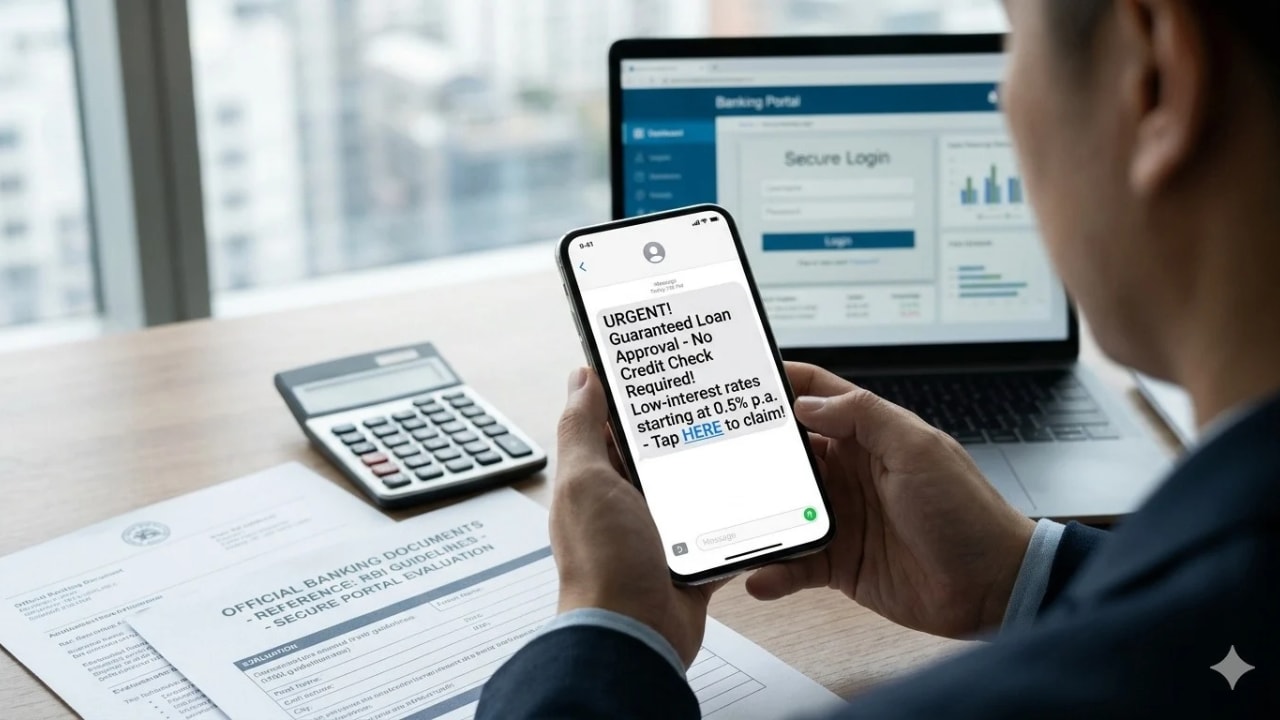 3/6
Offers and promises
Scammers may come up with lucrative offers and schemes. It may be guaranteed approvals or low-rate interest without considering the credit history and income. Beware that a legitimate lending entity would also verify the documents and credit history to assess your eligibility for a loan. Under the RBI Digital Lending Directions, Regulated Entities (REs) must collect minimum borrower details like age, occupation, and income to evaluate creditworthiness and record them for audit purposes.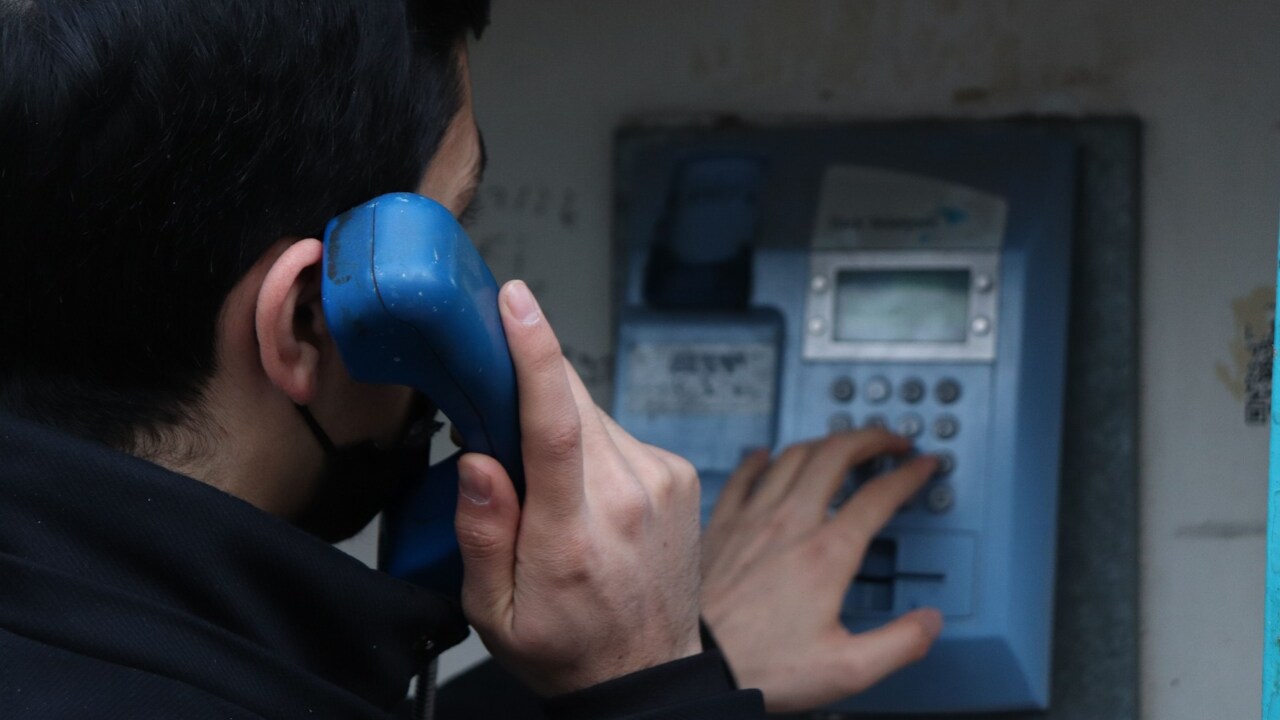 4/6
Banking officials
Scammers may impersonate bank officials and lenders to contact you through calls, SMS, or other channels and ask you for sensitive information such as Aadhaar, PAN, or OTP. They may use the extracted information to empty your bank account or for loan approvals at banks. They may also ask for KYC, which must never be shared. Knowing your name is not enough to make them reliable. If they claim to be from a particular organisation, first check their credibility through the customer care of the lending company. 5/6
Loan applications
When looking for a loan, beware of malicious applications often advertised through suspicious social media posts and shady links. These applications may closely resemble authentic websites or apps to steal personal data, which can be used for further money-related frauds. This may create a legal as well as a financial problem for the borrower in the future. Therefore, verify the lender's information independently.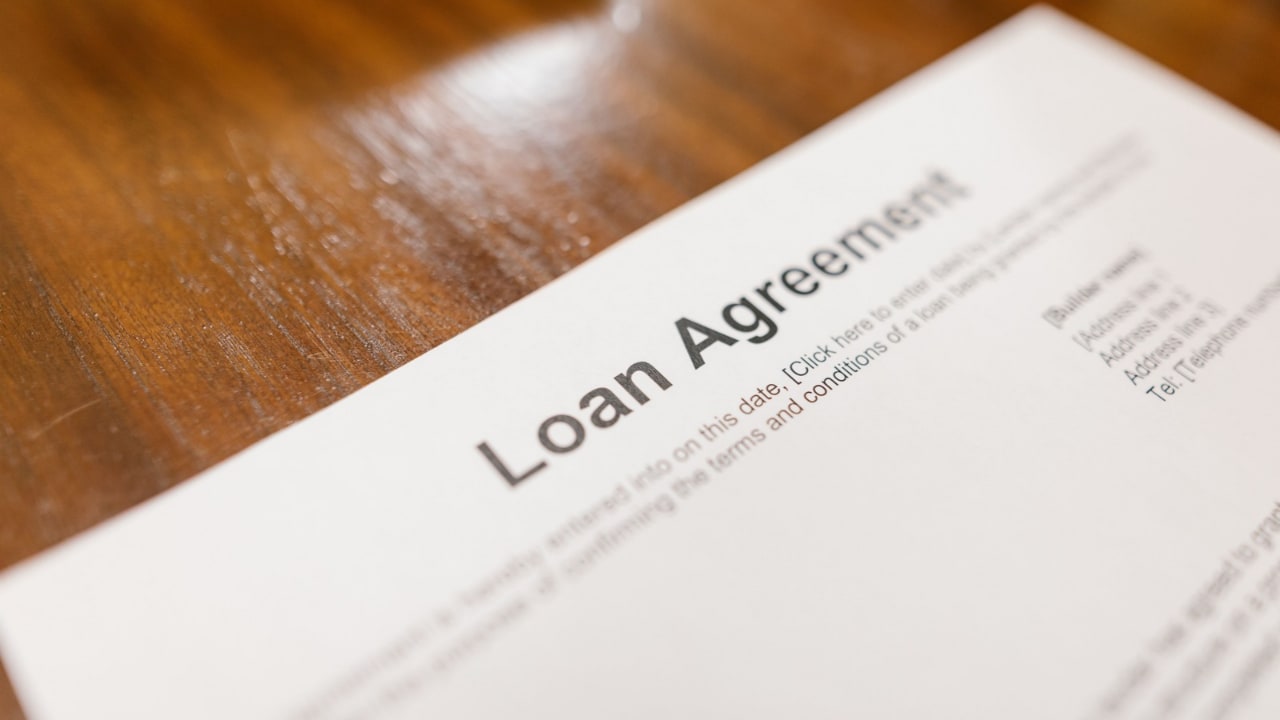 6/6
An advance fee
A legitimate lender, whether a bank or a Non-banking Financial Institution (NBFC), would never ask for money for the disbursal of a service. They won't levy any charge in the name of GST, insurance charges, service fees, security deposits, etc. Unless the loan is processed, no fee is deducted, and following the disbursal of the service, the fee is deducted from the amount instead of being demanded from the borrower.Trending
- News
- Photos