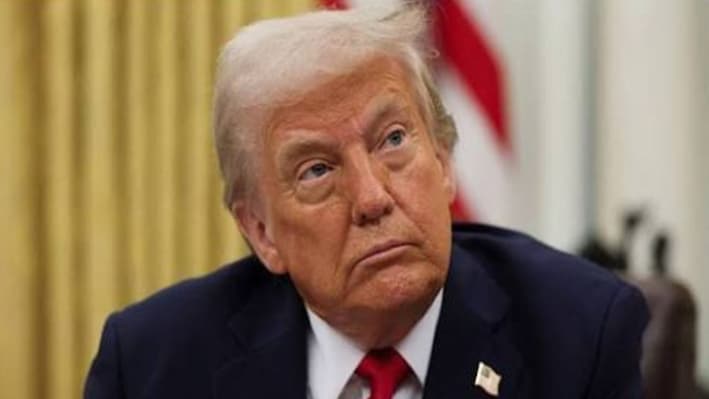
Speaking to reporters in the Oval Office, Trump said he would "rather not destroy the rest of the country" if he can avoid it, but added that he might have no choice. He gave no timetable and named no targets, and did not announce that any new strikes had been ordered. His only hint was that reporters would know soon enough.
He also said American forces were ready. If the US has to carry out "the rest of the Iran thing," it is very much prepared, he told reporters. On Iran's nuclear programme, he repeated that Tehran will never be allowed to get a weapon and claimed that it cannot act without Washington's approval.
Trump also said the country would take a long time to recover from the war. He put the rebuilding at roughly 25 years.
Three options on the table
The remarks followed a meeting with his national security team. Axios reported that it was the first such meeting on Iran since the election.
According to that report, Trump is weighing three paths: new strikes, continued economic pressure on Iran, or a deal that includes major concessions to Tehran.
Trump framed the choice in part around whether the US should go further to ensure Iran's nuclear programme is finished for good.
On the military side, US Central Command is reportedly finalising preparations to resume major combat operations, though it has not received a new directive from Washington. Diplomacy has not stopped either.
Reports describe a flurry of diplomatic activity on Thursday, and Trump did not confirm the substance of any proposal or describe an agreed negotiating framework.
The remarks came right after the US midterm elections. ANI described his tone as more hesitant than his earlier threats, and linked it to his party's poor showing at the polls.
Trump had earlier said the US would not attack Iran before the election, and American media reported that indirect negotiations were under way. Whether the election result actually shifted his thinking is a question for analysts. Trump himself did not say so.
The statement also follows a few days of mixed signals.
On Tuesday, he told the Financial Times he had no immediate plans for more strikes, while saying US forces stayed ready.
The comments came as opposition in Congress hardened. Senior House Democrats outlined plans to force votes to end the war and to demand answers about its goals and cost.
Supporters of the president's approach argue that sustained military and economic pressure is what keeps Iran from a bomb. Critics say the campaign has no clear end point and has already cost too much.
Stay informed on all the latest news, real-time breaking news updates, and follow all the important headlines in india news and world news on Zee News English.