In a world that is becoming technologically interconnected, yet politically and culturally divided, traditional forms of art are still valuable in helping people learn more about each other. Folk music, folk dancing, and folk tales encapsulate the traditions, culture, and heritage of nations, thus making it possible for people from all walks of life to interact despite differences in language. International cultural events have started offering venues in which these folk art traditions are showcased and preserved.
However, the significance of such an exchange goes far beyond performance. Such events foster conversation on the topic of heritage and human experiences.
The Impact of Performing Arts in Cultural Appreciation
Each culture has its unique way of conveying feelings, celebrating milestones, and sharing historical events. Folklore is characterized by such distinctions, but at the same time demonstrates similar ways of perceiving family, community, conflict, and joy.
When performers from various nations come together on stage, spectators become familiar with the strange customs through art. This can be beneficial in overcoming prejudices and embracing cultural differences.
This approach reflects the Indian philosophy of Vasudhaiva Kutumbakam, which considers the world one family. The idea remains relevant to contemporary discussions about cultural diplomacy, international cooperation, and peaceful coexistence.
Bringing Different Traditions onto a Common Platform
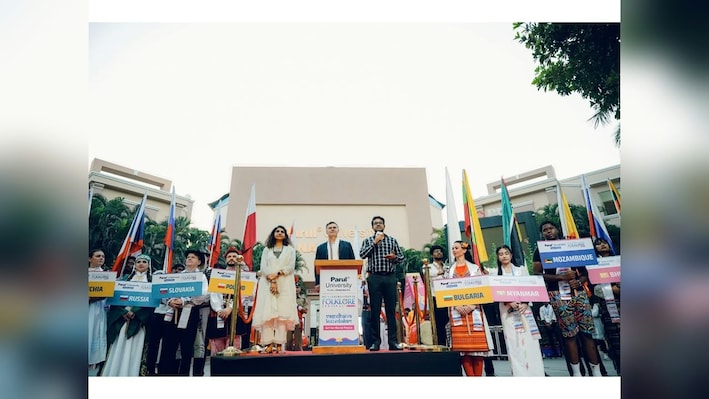
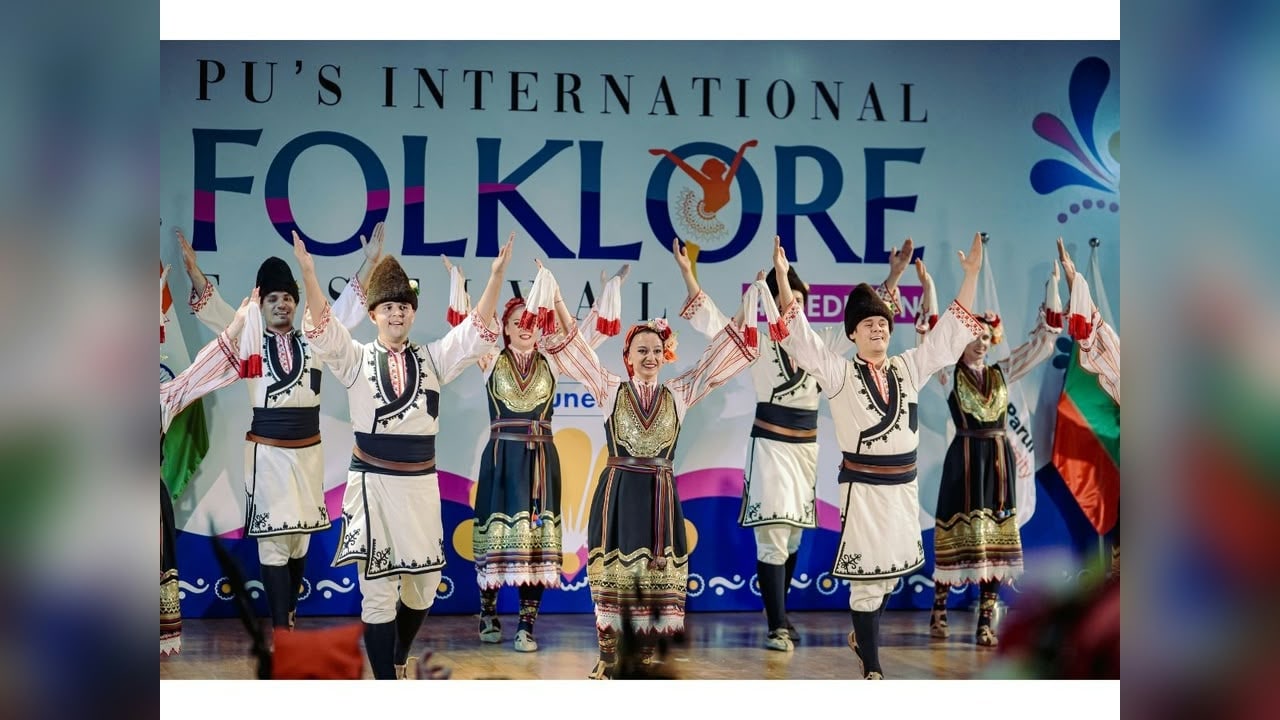
A recent example of this approach emerged in Vadodara, Gujarat, where Parul University organised the fourth edition of its International Folklore Festival under the theme Art for World Peace.
The five-day gathering brought together more than 300 participants representing over 23 countries, including Bulgaria, Czechia, Poland, Romania, Slovakia, Serbia, Sri Lanka, Kyrgyzstan, Uzbekistan, Bhutan, Bangladesh, Rwanda, Malawi, Zambia, and Madagascar.
The programme included traditional dance, folk music, cultural processions, and performances representing different regional identities. Participants introduced audiences to artistic practices shaped by their respective histories and communities.
The gathering also included an international conference examining The Role of Performing Arts in Building Bridges and Global Peace. Discussions explored how cultural expression can support dialogue between communities and create opportunities for international understanding.
Slovakia's Ambassador to India, Róbert Maxián, attended the inaugural proceedings, reflecting the participation of diplomatic representatives alongside cultural delegations.
Why Cultural Exchange Matters for Younger Generations
For students, international cultural gatherings provide opportunities to understand societies beyond textbooks, digital platforms, and conventional classroom discussions.
Observing a traditional performance can introduce audiences to the social values, historical influences, and community practices associated with a particular region. Direct interactions with performers also create opportunities to ask questions and understand cultural differences more personally.
Such experiences can contribute to developing empathy, communication skills, and intercultural awareness, particularly among young people preparing to work in increasingly diverse environments.
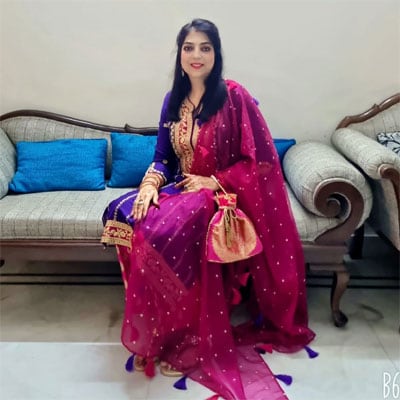
Highlighting the importance of cultural exchange in encouraging mutual understanding, Dr. Parul Patel, Vice President of Parul University, said, “Culture enables us to relate to others regardless of their language, geography, or nationality. What we experienced at the International Folklore Festival is that every act had a story, every tradition had a meaning, and every conversation enabled us to know each other better. Cultural exchange plays an important role in making our world more connected and empathic, and the coming together of participants from over 23+ countries strengthens that belief.”
Educational institutions can support this process by creating opportunities for students to engage with artists, researchers, and cultural representatives from different countries.
Preserving Cultural Identity Through Global Connections
Globalisation has made cultural exchange easier, but it has also raised concerns about the gradual disappearance of certain traditional practices. Folk art forms often depend on community participation and intergenerational knowledge transfer for their survival.
International festivals can provide additional visibility to these traditions while encouraging younger performers to continue practising them.
The gathering hosted by Parul University illustrated how educational spaces can facilitate such exchanges by bringing different cultural communities together.
While artistic performances alone cannot resolve international disagreements, they can encourage dialogue and mutual respect. By creating opportunities to experience unfamiliar traditions, cultural exchanges demonstrate how differences can become starting points for understanding rather than sources of division.
Stay informed on all the latest news, real-time breaking news updates, and follow all the important headlines in india news and world news on Zee News.