




- News
- /India News
- /Delhi Court issues Non Bailable Warrant against YouTuber Dhruv Rathee in defamation case
Delhi Court issues Non Bailable Warrant against YouTuber Dhruv Rathee in defamation case
A Delhi court issued a non-bailable warrant against YouTuber Dhruv Rathee after he failed to appear in an eight-year-old criminal defamation case over his video 'BJP IT Cell Part 2', filed by Vikas Pandey.
Written ByZee Media Bureau
Published: Nov 23, 2026, 18:16 IST|Updated: Nov 23, 2026, 18:18 IST
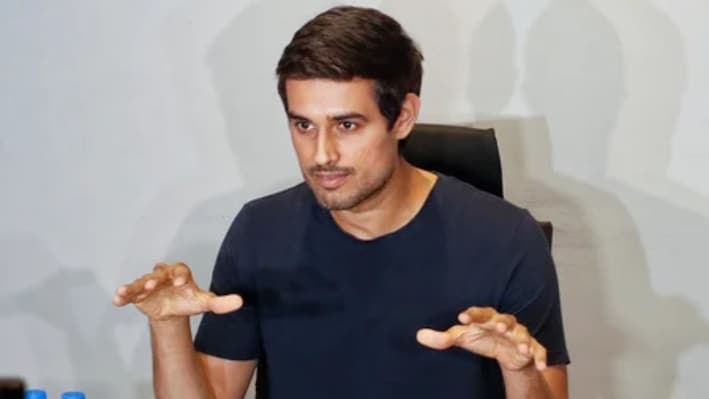
Image Credit: Dhruv Rathee
About the Author

Zee Media Bureau
Zee Media Bureau is the editorial news desk of Zee Media Corporation, one of India’s leading news networks.The bureau represents a collective of experienced journalists, editors, and correspondents who work across television, digital, and social platforms to deliver timely, accurate, and wide-ranging news coverage. Zee Media Bureau's coverage spans politics, business, economy, technology, health, entertainment, and global affairs. The bureau follows a collaborative newsroom model, where stories are researched, verified, and published by a team. This ensures speed, editorial consistency, and adherence to journalistic standards, particularly for breaking news and developing stories.
Read MoreTrending
- News
- Photos

3