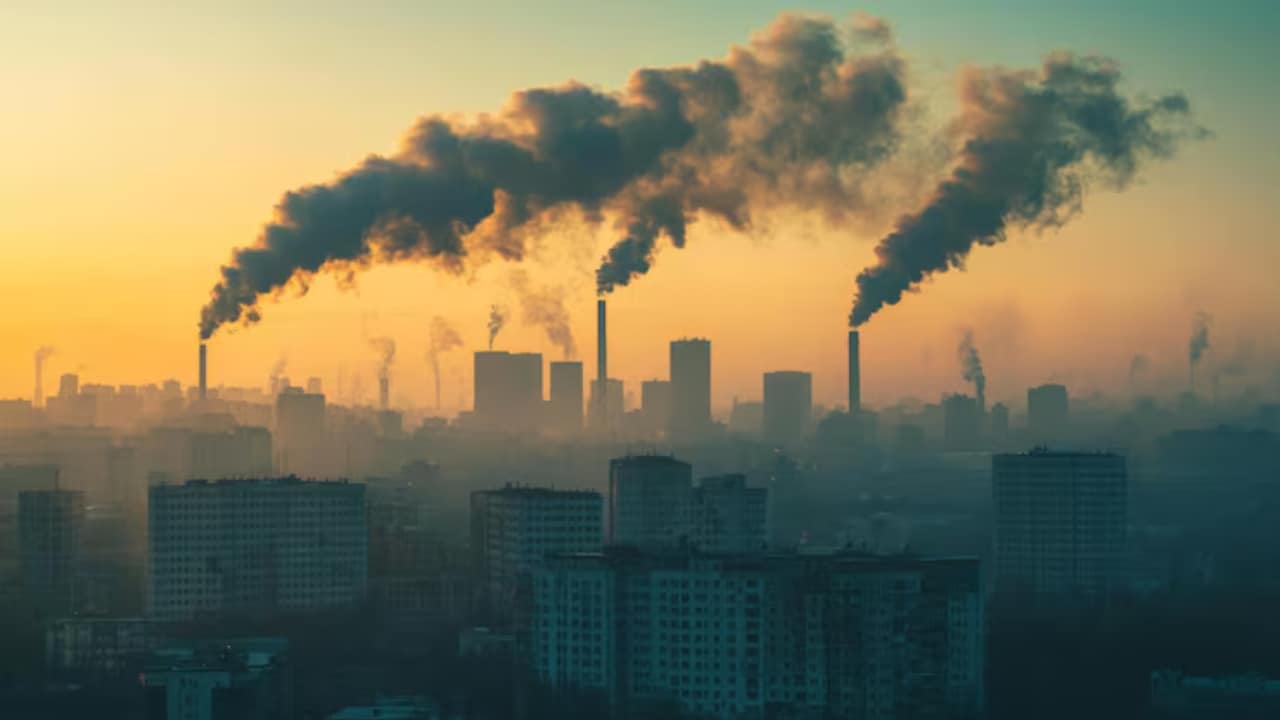
New Delhi: For years, the thick blanket of smog engulfing Delhi every winter was largely brushed off as an annual inconvenience, something that caused scratchy throats, watery eyes, or temporary breathing discomfort. Today, however, the conversation around air quality has taken a far graver turn. With alarming hospital data pointing to a surge in severe respiratory illnesses, including thousands of lung cancer cases among non-smokers, women, and even young adults, the air residents breathe daily has become an inescapable health hazard.
Backing up these clinical concerns is a systematic literature review by the Centre for Research on Energy and Clean Air (CREA), which analyzed 184 peer-reviewed epidemiological studies published between 1975 and 2025. The review found that over 90 percent, 169 out of 184 studies, reported increased health risks linked to air pollution, with respiratory diseases emerging as the most frequently documented outcome (86 studies) and Delhi accounting for the highest volume of research (23 studies). Notably, 44 out of 46 government-funded studies—involving institutions like ICMR, AIIMS, CPCB, and the Union Health and Environment ministries—also confirmed adverse health associations.
Health specialists explain how prolonged exposure to polluted air is silently altering cellular health, why even the fittest individuals are no longer immune, and the subtle warning signs that must never be dismissed as mere smog irritation.
From seasonal trigger to public health emergency
The scale of the crisis is evident in the steady rise of severe oncological cases linked to long-term pollution exposure.
Dr Akshay Budhraja, Senior Consultant & HOD, Respiratory & Sleep Medicine, Aakash Healthcare, Dwarka, says, "The air in Delhi has gone from perhaps seasonal factor for others to a massive public health emergency. Long-term exposure to toxic pollutants, particularly PM2.5, can lead to chronic inflammation and damage of the lungs. That's not to mention the mounting health burden of a short blast of acute pollution, which can exacerbate existing heart and lung problems."
Echoing the gravity of these numbers, Dr Saket, Senior Consultant Physician & Pulmonology, Sterling Hospitals, Bhayli, Vadodara, says, "The report of than 6,500 lung cancer cases in major Delhi hospitals over six years is a clear warning that air pollution is no longer just a seasonal trigger for asthma or throat irritation. Air pollution has become a public health and oncological crisis. When thousands of residents, including young adults, women and even children, are diagnosed with lung cancer, lung cancer shows the cumulative biological damage of breathing toxic air year after year. Because these numbers come from a few prominent government hospitals, the real disease burden across the whole NCR is likely much higher. That means chronic exposure to air is driving severe, life‑threatening lung cancer."
Why no one is immune, regardless of fitness or lifestyle
While a healthy diet and regular workouts can shield against many lifestyle diseases, toxic air bypasses personal wellness routines altogether.
Dr Saket adds, "Fine particulate matter (PM2.5) in pollutants does not respect neighborhood boundaries, socioeconomic status or personal fitness routines. Unlike food choices or smoking, breathing is involuntary. Every resident inhales the ambient air during daily commutes, outdoor exercise or even inside poorly sealed homes. Fine particulates bypass the nose and throat, penetrating into the lung alveoli and entering the bloodstream. In the bloodstream, fine particulates trigger persistent inflammation, oxidative stress and cellular DNA damage. Over years of exposure, even people who eat well, exercise regularly and have never touched a cigarette accumulate genetic mutations in their lung tissue similar to those seen in smokers."
Dr Budhraja adds, "Air pollution doesn't care if you're young, fit, or living a good life. Fine particulate matter like PM2.5 can enter well into the lungs, even the bloodstream. The most vulnerable are those with pre-existing conditions and children and older people, although the healthy are at risk if they breathe large amounts of pollution day after day. Pollutants travel across the city, so no neighbourhood is immune to harm."
Everyday Risk Factors Beyond Smoking
While tobacco remains a well-known culprit, a combination of outdoor pollutants and everyday indoor hazards puts non-smokers at significant risk over time.
Dr Budhraja says, "Pollution (particularly fine particulate matter [PM2.5]) and long-term exposure is a significant lung-cancer risk factor in never-smokers. Radon and secondhand smoke, as well as workplace exposures to asbestos, silica, diesel exhaust, and potentially some metals or other industrial chemicals are other causes. Indoor air pollution (biomass fuels) and inadequate ventilation may also produce similar effects. These exposures can increase the risk of cancer over time."
Breaking down these daily household and environmental triggers further, Dr Saket says, "Beyond tobacco use, several everyday environmental and household exposures significantly elevate lung cancer risk in non‑smokers: Chronic outdoor air pollution: Prolonged exposure to vehicular exhaust, industrial emissions, construction dust and smoke from waste burning—classified by the World Health Organization as a Group 1 carcinogen. Second-hand smoke: Regularly inhaling tobacco smoke at home, in vehicles or in public spaces. Indoor air pollutants: ventilated cooking spaces using solid fuels or high‑heat frying oils and frequent burning of incense sticks and mosquito coils in closed rooms. Occupational and environmental carcinogens: Long‑term exposure to asbestos, silica dust, heavy metals, chemical fumes or naturally occurring radon gas trapped in ventilated ground‑level buildings."
Early warning signs you should never ignore
Because early symptoms often mimic routine seasonal allergies or pollution-induced throat irritation, timely diagnosis is frequently delayed. Knowing when to seek medical attention can make a critical difference.
Dr Budhraja adds, "Don't ignore a cough that lingers for more than 3 weeks, coughing up blood, unexplained chest pain, shortness of breath, repeated chest infections, unexplained weight loss, and persistent fatigue. While these symptoms can also be caused by a number of other reasons, sometimes they may be the result of lung cancer. If you do experience these symptoms, and especially if they are worsening, you shouldn't write it off as simple irritation from pollution and should instead see a doctor."
Dr Saket says, "Early‑stage lung cancer often develops silently. In high‑pollution cities, initial symptoms are frequently dismissed as winter smog irritation, allergies or lingering viral infections. Anyone, regardless of age or smoking history, should seek medical evaluation if they notice any of the following warning signs: A persistent cough that lasts longer than three to four weeks or changes in character. Coughing up blood or rust‑colored sputum, in small streaks. Unexplained shortness of breath or wheezing during daily activities. Constant or worsening chest, shoulder or back pain, especially when breathing deeply, coughing or laughing. Unexplained weight loss, loss of appetite, persistent fatigue or recurring chest infections like bronchitis or pneumonia that fail to clear after treatment."
While individual vigilance and early medical screening are critical, experts stress that tackling the health crisis requires sweeping policy reform that addresses both urban and rural pollution sources as well as gaseous emissions.
Manoj Kumar, Analyst at CREA, says, "The findings highlight the need to move beyond a city-centric approach and explicitly include rural areas through a regional, airshed-based approach in the next phase of National Clean Air Programme (NCAP 2.0)."
Calling for stricter standards across industries, power plants, and household combustion, Kumar adds, "Air pollution mitigation must adopt a multipollutant approach, addressing gaseous precursors that contribute to secondary PM2.5 and ground-level ozone formation. This requires emission reductions at major sources, including industries, power plants, residential cooking, and other combustion activities. The long-overdue revision of NCAP should incorporate PM2.5-specific targets along with the revision of National Ambient Air Quality Standards."
(This article features expert quotes provided for informational purposes only. It is not a substitute for professional medical advice. Always consult a qualified healthcare provider regarding any medical condition.)
Stay informed on all the latest news, real-time breaking news updates, and follow all the important headlines in india news and world news on Zee News English.