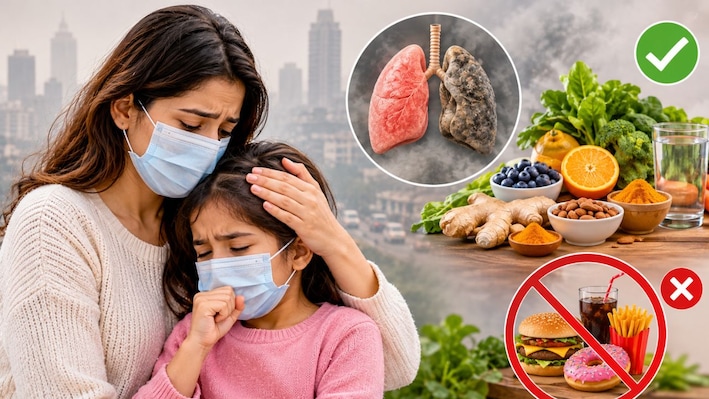
Hazy skies, a smoky smell and a heavy feeling in the chest have become a common part of life when pollution levels rise. The air quality in Delhi fell into the 'Very Poor' category on Thursday, as the Air Quality Index (AQI) rose to 319 due to thick smog in the region. In order to protect students from harmful air and prevent dust pollution, the authorities in Noida, Greater Noida, and Ghaziabad have switched to hybrid classes for students from nursery to Class 5. While the AQI in Delhi is recorded to be 319, various localized AQI stations showed alarming data.
As the air quality drops, the body feels it in several ways. Most people notice a sore throat, burning eyes, cough, blocked nose, tiredness, headaches or trouble breathing. Some also get skin breakouts, low energy, irritability, disturbed sleep and constant fatigue. People who already have asthma or allergies often find their symptoms get worse.
Dr LM Darlong, Head Thoracic Oncosurgery, RGCIRC, says, “Air pollution is one of the leading causes of preventable illnesses worldwide, and its effects often extend beyond respiratory problems. Long-term exposure to air pollution can contribute to chronic diseases, including cardiovascular disorders and several types of cancers. For individuals already battling health conditions, particularly cancer, polluted air can aggravate symptoms and weaken the immune system further.” Here is a look at how pollution affects health and what experts suggest doing about it.
How air pollution affects the body
Pollutants such as particulate matter (PM2.5 and PM10), nitrogen dioxide and sulphur dioxide irritate the airways and cause inflammation once they get into the body. The immediate effects often include:
Over the years, repeated exposure can damage lung tissue, affect heart function and even alter cellular DNA, which raises the risk of lung, head and neck, and bladder cancers. People with weak immunity, older adults and children are most at risk. Cancer patients on chemotherapy or radiation may also have worse inflammation and breathing discomfort, because pollution adds to the side effects of treatment.
Lavleen Kaur, Chief Dietitian & Founder, Santushti Holistic Health & Diet Insight Academy, says, “Prolonged exposure to polluted air inflames the respiratory tract, reduces lung capacity, and weakens immunity. Fine particulate matter (PM2.5 and PM10) enters the bloodstream, triggering oxidative stress and inflammation that can worsen asthma, allergies, heart disease, and fatigue. The impact is especially severe on children, the elderly, and those with pre-existing respiratory or cardiac conditions.”
What to eat on high pollution days
Mugdha Pradhan, Functional Nutritionist, CEO & Founder of iThrive, says, “Focus on foods that naturally help your body calm inflammation and support healing. Choose healthy fats such as sardine, mackerel, salmon, free-range eggs and even chicken. These animal sources also support the body’s strength and repair process. In addition to this, eat more fresh fruits, berries, vegetables, citrus fruits, turmeric, ginger, garlic, and antioxidant rich foods. Fresh homemade meals, herbal teas, clean protein and filtered water can really help your body cope better during these days. Also try including nuts, good fats like coconut oil, and ghee to support your body.”
Based on the experts’ suggestions, these foods can help:
What to avoid
Experts advise cutting back on:
Kaur adds, “Balanced nutrition cannot eliminate pollution, but it strengthens our internal defense system. Along with using masks, air purifiers, and staying indoors during peak hours, mindful eating can make a noticeable difference in how the body responds to polluted air.”
Everyday habits that help
Small habits can add up as well:
Dr Darlong says, “Clean air is a shared responsibility, but until larger environmental improvements take effect, individual preventive steps matter. Wearing masks during high pollution days, using air purifiers indoors, and maintaining a balanced, antioxidant-rich diet can go a long way in reducing the impact of polluted air on overall health. For cancer patients, these lifestyle adjustments not only ease respiratory symptoms but also support recovery and quality of life during and after treatment.”
(This article is meant for informational purposes only and must not be considered a substitute for advice provided by qualified medical professionals. Always seek the advice of your doctor for any questions about medical conditions.)
Stay informed on all the latest news, real-time breaking news updates, and follow all the important headlines in india news and world news on Zee News English.