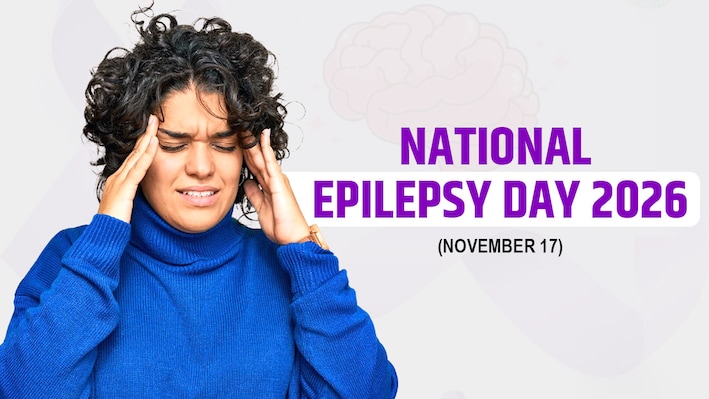
A chronic neurological disorder, epilepsy sees recurrent, unprovoked seizures which happens as a result of abnormal electrical brain activity. Symptoms differ from case to case and from brief staring spells or confusion, they can range to strong shaking and temporary loss of consciousness. As experts point out, awareness is key to deal with epilepsy as it can often be confused with other brain-related issues like migraine, due to overlapping symptoms.
On National Epilepsy Day 2026 - India observes the day on November 17 every year - Dr Shobha N, Consultant - Neurologist and Stroke Physician, Manipal Hospital, Malleshwaram, and Dr Aditya Gupta, Director - Neurosurgery & Cyberknife, Artemis Hospital, Gurugram, share key differences between migraine and epileptic seizure, which can look surprisingly similar at times.
Migraine vs epilepsy: Distinguishing the two
Experts point out that migraine and epilepsy are two episodic neurological disorders that can sometimes present with surprisingly similar symptoms, making it difficult to distinguish between the two.
Dr Aditya Gupta shares that in both migraine and epilepsy, an individual may experience episodes of unusual brain activity and have visual symptoms, any kind of unusual sensations, dizziness, confusion and short-term alterations of consciousness. This makes it complicated for the patients and their relatives to understand what is going on.
"Both conditions can involve visual auras, including flashing lights, zigzag lines and other sensory disturbances, before an episode begins. However, the duration and progression of these symptoms can offer important clues," shares Dr Shobha N. While migraine auras may last 30 minutes to an hour, epileptic auras are typically much shorter, lasting seconds to a few minutes.
The key difference is in the nature of symptoms. "Migraines typically display a gradual development, while seizure symptoms emerge suddenly. In addition, seizures may provoke movements, lack of response or confusion during the postictal phase. However, the boundaries are not that strict and symptoms of the two conditions may overlap," says Dr Gupta.
The similarities extend beyond visual symptoms. "Patients with epilepsy may experience olfactory hallucinations, such as sensing smells that are not actually present, which are more commonly associated with seizures. An aura in epilepsy may also progress into a focal seizure, involving involuntary movements on one side of the body, or a generalised seizure, characterised by loss of consciousness and involuntary movements involving both sides of the body. In migraine, the aura is typically followed by a headache, often affecting one side of the head," says Dr Shobha N.
She adds that both conditions share common triggers, including stress, inadequate sleep, menstruation and alcohol consumption. "They can also coexist in the same individual and may be accompanied by mental health concerns such as depression, anxiety and suicidal thoughts. The association is clinically significant, with migraine reported in approximately 20% of people with epilepsy, while epilepsy is seen in around 15% of people with migraine," adds Dr Shobha.
Right diagnosis essential for treatment
Understanding these similarities and differences is important for accurate diagnosis and appropriate treatment, particularly because both conditions can leave patients symptom-free between episodes and allow them to return to their usual baseline once an episode subsides, says Dr Shobha.
Dr Gupta warns that patients should not self-diagnose based on the symptoms alone. "Keeping a record of when seizures occur, how long they last, and what happened before, during and after them can be crucial for doctors in diagnosing the problem. Any new seizure, prolonged episode or loss of consciousness requires prompt medical assistance. Knowing the differences between headache and epilepsy can help the doctor with a soft diagnosis and treatment plan," says Dr Gupta.
Stay informed on all the latest news, real-time breaking news updates, and follow all the important headlines in india news and world news on Zee News English.