• हिन्दीEnglishमराठीবাংলাதமிழ்മലയാളംગુજરાતીతెలుగుಕನ್ನಡଓଡ଼ିଶାZ BharatPHHBusinessWION
  • facebookyoutubetwitterwhatsapp
Zee News Hindi
  • news
  • Live Blog
  • photos
Add Zee Business As A Preferred Source
App
  • Live TV
  • Latest News
  • India
  • World
  • Entertainment
  • Sports
  • Business
  • Lifestyle
  • Astrology
  • Auto
  • Education
  • Technology
  • News
  • /World
  • /Ballots in America, Bills in India: Why the US vote shakes our fuel prices

Ballots in America, Bills in India: Why the US vote shakes our fuel prices

The outcome of the November 3 US midterm elections could influence Washington’s approach to the Iran war, with potential consequences for global oil and gas prices, India’s import bill, inflation and household fuel costs.

Written ByGirish Linganna
Published: Nov 02, 2026, 10:30 AM IST|Updated: Nov 02, 2026, 10:35 AM IST
joinshare
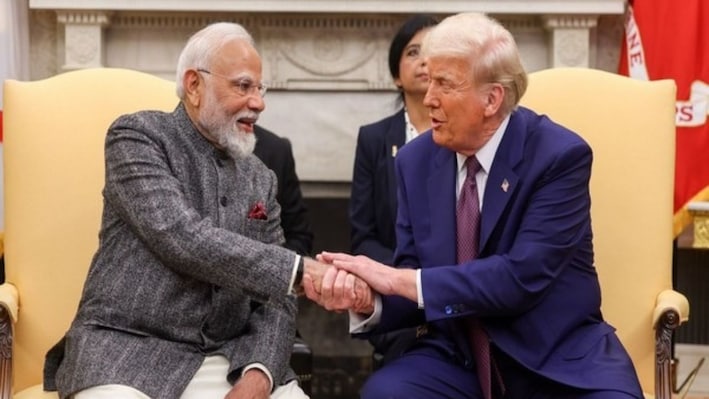
Ballots in America, Bills in India: Why the US vote shakes our fuel prices
Image Credit: US midterm elections: Why the US vote shakes our fuel prices

About the Author

    Girish Linganna

    Girish Linganna

    Girish Linganna is an award-winning Indian science communicator and leading defence, aerospace, and geopolitical analyst based in Bengaluru. He serves as the Managing Director of ADD Engineering Components India Pvt. Ltd. His analytical articles and insights on space technology and international security are widely published across major global media platforms.
    Read More

    Trending

    • News
    • Photos
    Hyderabad: Security guard dies after wife stabs him in chest during family argument

    Hyderabad: Security guard dies after wife stabs him in chest during family argument

    2

    Kimi Antonelli creates history, becomes youngest ever Formula 1 world champion

    3

    Amitabh Bachchan slams media for misinterpreting his religious chant 'Hathi Ghoda Palki, Jai Kanhaiya Lal Ki'

    4

    Cyclone Murasu turns severe: Andhra on edge, Telangana and Odisha on alert, Chennai shuts schools

    5

    Ballots in America, Bills in India: Why the US vote shakes our fuel prices

    logo
    • contact us
    • privacy policy
    • legal
    • investor info
    • advertise with us
    © 1998-2026 Indiadotcom Digital Private Limited, All Rights Reserved.

    For a family in Kanpur or a trucker on the Mumbai–Pune highway, the price at the petrol pump has become a daily reminder of a war thousands of kilometres away. This week, that reminder may grow louder or softer, depending on how Americans vote on Tuesday, November 3. By Wednesday, November 4, oil and gas experts will be reading the results not for what they say about Washington, but for what they could mean for the fuel India buys.

    The numbers tell our story. In January, India paid roughly $61–62 for every barrel of crude it imported. That figure is the Indian basket, simply the average price India actually pays for its imported oil, worked out from three well-known varieties called Brent, Oman and Dubai. By late October, as Business Standard has reported, that average had climbed to $120.2 a barrel, nearly double the January level. Natural gas has risen even faster, with some increases outpacing crude.

    The cause lies in West Asia. In February, the United States attacked Iran. Tehran answered by shutting the Strait of Hormuz, a narrow sea passage that works like a single gateway through which much of the world's oil and gas must pass. The Houthis of Yemen, backed by Iran, then began blocking ships in the Bab el-Mandab Strait, another vital corridor. Think of these as two toll gates on a highway with no detour; close them and traffic everywhere backs up.

    Costly fuel does not stay at the pump. It travels into the price of vegetables, bus fares, cooking gas and everyday goods, pushing up inflation. It also forces India to spend far more foreign currency on imports, widening the gap between what the nation buys abroad and what it sells. Relief would come if Washington and Tehran agreed to a ceasefire and kept it. But nobody can promise that, and if American strikes intensify, prices could climb higher still.

    This is why Tuesday's vote matters so much. Americans will choose all 435 members of the House of Representatives and 35 of the 100 seats in the Senate. Together, these two chambers form Congress, America's Parliament, which makes the country's laws. At present, the Republican Party holds the presidency and vice-presidency, 53 Senate seats and 218 House seats. If that picture survives, little changes.

    Opinion polls and betting markets, however, suggest the Democrats have a strong chance of winning the House by crossing the 218-seat mark. The Senate is a closer contest. Of the 35 seats on the ballot, 22 belong to Republicans and 13 to Democrats. To take charge, Democrats must reach 51 seats overall, counting Independents who vote with them. A 50–50 split would leave Republicans in control, because the Vice-President, a Republican, casts the deciding vote. Some analysts believe the Democrats can still get there.

    Why would a Democratic Congress change the war? Under the US Constitution, only Congress can formally declare war, and that needs more than half the votes in each chamber. The President may order strikes on his own, but he must inform Congress within two days. After that, under a law called the War Powers Resolution, fighting generally cannot continue beyond 60 days without Congress agreeing, plus up to 30 more days to bring soldiers home safely, 90 days in all. Congress also decides how much money any war receives.

    Surveys show many Americans have turned against the Iran war, largely because it has made daily life costlier. If Democrats win both chambers, they could vote to stop further fighting and cut its funding. President Donald Trump might resist, but the pressure on him to sit down with Iran and agree a ceasefire would grow sharply.

    The pressure would not end there. Democrats could open investigations into Trump's links with Jeffrey Epstein and certain financial dealings that may have benefited his family. They could even try to impeach him a third time; he is already the only President impeached twice. Impeachment is only a formal charge; it does not by itself remove a President. The House can pass it with a simple majority. The Senate then holds a trial, and removal needs a two-thirds vote, 67 if all 100 senators attend. If that happens, Vice-President JD Vance becomes President. If the numbers fall short, Trump stays.

    A President under such pressure might try to stir several controversies at once, so that no single issue holds public attention for long. Americans call this "flooding the zone". He could also use the two to three months his authority still allows to step up strikes on Iran before any congressional decision takes full effect. Either move could push oil and gas prices higher overnight.

    That is why energy traders, the Reserve Bank of India, which guards the nation's monetary policy, and the Petroleum Planning and Analysis Cell, which tracks fuel prices and supplies, must prepare for every outcome. For every household counting its monthly budget, Tuesday's result is deeply personal.


    (Girish Linganna is an award-winning science communicator and a Defence, Aerospace & Geopolitical Analyst. He is the Managing Director of ADD Engineering Components India Pvt. Ltd., a subsidiary of ADD Engineering GmbH, Germany.)
     

    Stay informed on all the latest news, real-time breaking news updates, and follow all the important headlines in india news and world news on Zee News.

    Add Zee News as a Preferred Source
    TAGS:
    US Midterm Elections