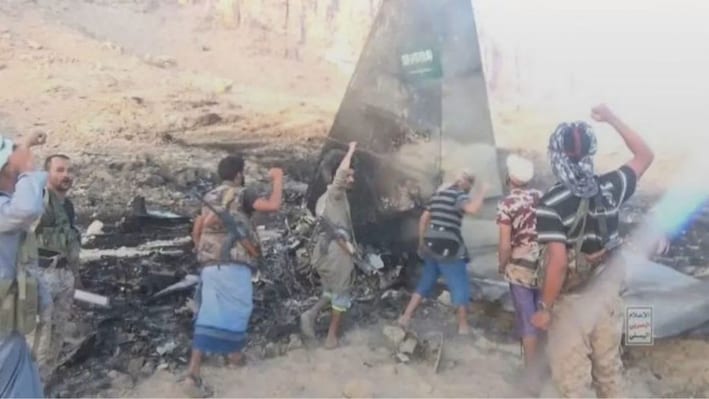
Saudi-Houthi Conflict: Turkey is weighing the scale of its military support for Saudi Arabia under a new defence pact with Pakistan after a rise in attacks by Yemen’s Houthi rebels. Air defence systems, intelligence sharing and military logistics are among the forms of assistance being considered. The question of sending Turkish troops abroad requires further legal steps, including parliamentary approval for the Mecca Joint Defence Agreement.
Turkey’s Defence Ministry said on October 15 that the military capabilities offered to Saudi Arabia would depend on the kingdom’s needs and the conditions on the ground. It said the process would follow Turkey’s Constitution and relevant laws.
According to Reuters, Ankara has been providing technical and defensive assistance to Riyadh. The support includes military equipment, weapons systems, air defence capabilities, drone operators and logistical assistance. The full scope of Turkey’s role under the new pact will depend on further decisions by the government and parliament.
Air defence aid for under consideration
Saudi Arabia has faced an intensifying series of Houthi missile and drone attacks. The strikes have targeted airports, energy facilities and military installations. These attacks have increased security risks for the kingdom.
The attacks have also affected the strategic Bab al-Mandeb Strait, a major route for shipping between the Red Sea and the Gulf of Aden. Saudi-backed Yemeni forces have been fighting the Houthis in areas near the waterway.
Turkey is expected to help protect Saudi territory and strengthen its ability to intercept incoming threats. Air defence equipment, technical support, intelligence and logistical assistance are among the options under consideration.
Turkish Foreign Minister Hakan Fidan said on October 8 that military officials were assessing the support the country could provide, particularly air defence.
“The technical evaluations are being carried out, and these continue among our military officials,” he said, according to Reuters.
He also described the agreement as a defensive pact. “The Mecca agreement is a defence agreement. It is not an agreement for attack,” he has been quoted by Al Jazeera as saying.
He added that Turkey would not send troops into another country to launch offensive operations. The distinction is important for understanding Ankara’s stated position on the pact and its possible role in the conflict.
Why parliamentary approval is important
Turkey, Saudi Arabia and Pakistan signed the Mecca Joint Defence Agreement on August 7. The pact commits the three countries to treat an armed attack on one member as an attack on all members.
Turkish President Recep Tayyip Erdoğan said on October 12 that the agreement would be submitted to parliament for approval in the coming days. Foreign Minister Fidan said that preparations for the submission had been completed.
Turkey’s constitution gives parliament authority over the deployment of its armed forces abroad, subject to specific legal provisions and exceptions. The government must complete the relevant approval process before proceeding with deployments that require parliamentary authorisation.
The Defence Ministry has said the nature of any assistance will depend on Saudi Arabia’s requests, military requirements and conditions on the ground. The government is also working to establish the political, administrative and military structures needed to implement the agreement.
The pact’s members discussed these plans at an emergency meeting of their Strategic Political and Defence Committee in Riyadh on October 5. A joint statement said the countries would move towards implementing their collective defence commitments and arranging the deployment of agreed forces and capabilities in Saudi Arabia, subject to their national laws.
The committee also appointed retired Pakistani Lieutenant General Nauman Mahmood as the alliance’s first secretary-general for a three-year term.
Erdoğan, Fidan back Riyadh
Erdoğan held a phone call with Saudi Crown Prince Mohammed bin Salman on October 13 and extended support for Saudi Arabia following the attacks.
The Turkish government has also maintained contact with Iran. Fidan spoke to Iranian Foreign Minister Abbas Araghchi on October 13 about steps to reduce regional tensions.
Erdoğan said on October 12 that Turkey’s position and principles were clear. “We never view events through a racial or sectarian perspective,” he said, adding that Ankara wanted peace and stability across the region.
The diplomatic contacts show the range of factors influencing Turkey’s response to the attacks. Ankara has pledged support for Riyadh while holding talks with Tehran on the regional situation.
Can the pact pull Turkey into the war?
The Mecca agreement is still developing its institutional structure. Its three members are working on military coordination, defence cooperation and plans to implement their collective commitments.
The alliance’s strategic committee decided on October 5 to move ahead with the deployment of agreed military capabilities to Saudi Arabia, in accordance with national legislation. The decision followed consultations over the security threats facing Riyadh.
Recent attacks by the Houthis have given those talks a sudden sense of urgency. Controlling Sanaa and much of Yemen, the militia has been fighting a long war against Saudi Arabia and its allies, who first intervened back in 2015 to support the country's ousted government.
With the situation escalating, governments across the region are zeroing in on the safety of Saudi Arabia's airports, energy infrastructure and crucial Red Sea trade lines.
Stay informed on all the latest news, real-time breaking news updates, and follow all the important headlines in india news and world news on Zee News.