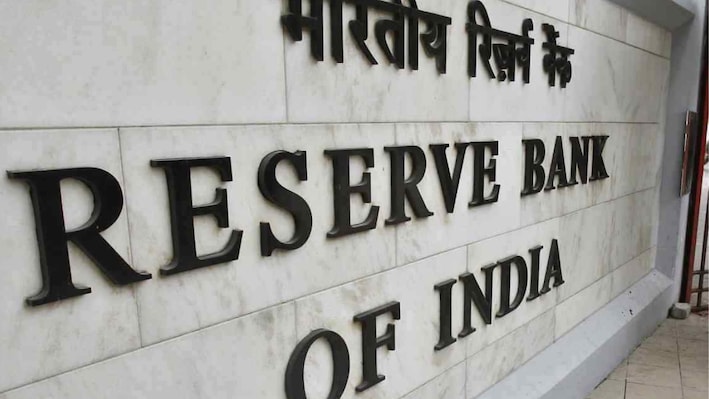
New Delhi: The Reserve Bank of India (RBI) has arranged previous circulars into two separate regulatory frameworks. The circulars covered the card-based digital payments, ATM withdrawals, transaction charges, payment security and customer protection.
RBI issued the Reserve Bank of India (Digital Payments - Card-based transaction) Directions, 2026 consolidating 25 earlier circulars, while the Reserve Bank of India (Cash Withdrawal Transactions through Automated Teller Machines and Point of Sale Terminals) Directions, 2026 covered 17 circulars, both of which are effective immediately.
The cash withdrawal framework also includes specified provisions of a circular on prepaid payment instruments.
The card payment framework mandates additional authentication for contactless payments of more than Rs 5,000 per transactions. Payments up to Rs 5,000 are exempt from any additional authentication requirement.
However, the customers may choose to make PIN-based payments, irrespective of the transaction amount. This would save the need to go through authentication process.
"In other words, customers cannot be compelled to do a contactless payment," the RBI said.
As per the provisions, the card issuer have to provide round-the-clock facility to customers to enable or disable domestic, international, online and contactless transactions and modify transaction limits. Moreover, they must also offer eligible customers a choice of card networks and restrict the storage of actual card details by entities other than card issuers and card networks for transactions where the card is not physically present.
Meanwhile, savings bank account holders are entitled to five free transactions every month at their own bank's ATMs, including financial and non-financial transactions.
Customers using other banks' ATMs are entitled to three free transactions per month in metro cities and five in non-metro locations, subject to an overall limit of five. Cash withdrawals from other banks' ATMs are capped at Rs 10,000 per transaction.
Banks can levy charges of up to Rs 23 per transaction, plus applicable taxes, beyond the prescribed free transaction limits.
"Banks shall put in place suitable mechanism for cautioning/advising/alerting the customers about the number of free transactions already utilised during the month by the customer, and the charges that may be levied on subsequent transactions," the RBI said.
Failed ATM transactions due to technical issues, non-availability of cash or invalid PIN validation, among other specified reasons, will not count towards free transaction limits or attract charges.
The directions also cover cash withdrawals at designated merchant outlets through debit cards, eligible prepaid payment instruments and UPI, with a limit of Rs 2,000 per transaction and Rs 10,000 per month. Customer charges cannot exceed 1 per cent of the transaction amount.
Both directions have been issued under the Payment and Settlement Systems Act, 2007, as part of the RBI's regulatory consolidation exercise.
Stay informed on all the latest news, real-time breaking news updates, and follow all the important headlines in india news and world news on Zee News English.