

• हिन्दीEnglishमराठीবাংলাதமிழ்മലയാളംગુજરાતીతెలుగుಕನ್ನಡଓଡ଼ିଶାZ BharatPHHBusinessWION
  • facebookyoutubetwitterwhatsapp
Zee News English
  • news
  • Live Blog
  • photos
Add Zee Business As A Preferred Source
App
  • Live TV
  • Latest News
  • India
  • World
  • Entertainment
  • Sports
  • Business
  • Lifestyle
  • Astrology
  • Auto
  • Education
  • Technology
  • News
  • /India News
  • /Trump threatens fresh tariffs on 14 countries, including India, as rupee strengthens

Trump threatens fresh tariffs on 14 countries, including India, as rupee strengthens

The proposal comes after the US Supreme Court struck down tariffs imposed by Trump last year as illegal. However, the Trump administration has now proposed fresh duties under Section 301 of the Trade Act, following an eight-month investigation.

Written ByZee Media Bureau
Published: Nov 26, 2026, 22:49 IST|Updated: Nov 26, 2026, 22:51 IST
joinshare
Trump threatens fresh tariffs on 14 countries, including India, as rupee strengthens

About the Author

    Zee Media Bureau

    Zee Media Bureau

    Zee Media Bureau is the editorial news desk of Zee Media Corporation, one of India’s leading news networks.The bureau represents a collective of experienced journalists, editors, and correspondents who work across television, digital, and social platforms to deliver timely, accurate, and wide-ranging news coverage. Zee Media Bureau's coverage spans politics, business, economy, technology, health, entertainment, and global affairs. The bureau follows a collaborative newsroom model, where stories are researched, verified, and published by a team. This ensures speed, editorial consistency, and adherence to journalistic standards, particularly for breaking news and developing stories.
    Read More

    Trending

    • News
    • Photos
    Trump threatens fresh tariffs on 14 countries, including India, as rupee strengthens

    Trump threatens fresh tariffs on 14 countries, including India, as rupee strengthens

    2

    IPL 2027: Mumbai Indians to announce new captain on Friday; Rohit Sharma tipped to return

    3

    Parliament to meet on Monday: Why Women’s Quota remains stalled and what to expect from Friday’s cabinet meet

    4

    Men's Asia Cup Rising Stars: Abhishek, Shahbaz, Tilak fifties power India A to 317/8 against Sri Lanka A

    5

    Punjab CM Bhagwant Mann sounds 2027 poll bugle at Moga rally, says Punjab choosing development over 'hollow promises'

    logo
    • contact us
    • privacy policy
    • legal
    • investor info
    • advertise with us
    © 1998-2026 Indiadotcom Digital Private Limited, All Rights Reserved.

    US President Donald Trump has threatened to impose fresh tariffs on 14 countries, including India, at a time when the Indian economy is showing signs of strength, with the rupee reaching an eight-month high and the stock market recording strong gains. The proposed duties could raise the tariff on Indian goods to 25 per cent, adding pressure on New Delhi to conclude a bilateral trade agreement with Washington.

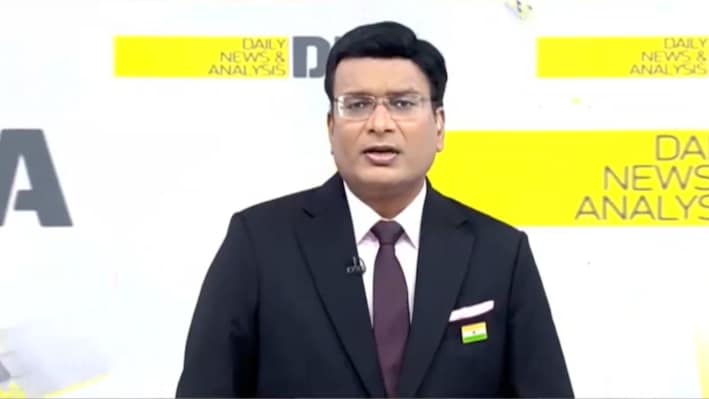
    In today’s episode of DNA, Rahul Sinha, Managing Editor of Zee News, conducted a detailed analysis of the proposed tariffs, their potential impact on India and the US, and the possible reasons behind Trump's latest move.

    The proposal comes after the US Supreme Court struck down tariffs imposed by Trump last year as illegal. However, the Trump administration has now proposed fresh duties under Section 301 of the Trade Act, following an eight-month investigation.

    The US Trade Representative (USTR) has proposed a 25 per cent tariff on India, with the duties set to apply in addition to those imposed earlier. China, Singapore and Vietnam could face a 20 per cent tariff, while Bangladesh, Cambodia, Indonesia, Malaysia and Thailand have been listed for an 18 per cent duty.

    The proposal also includes a 15 per cent tariff on the European Union, Japan, South Korea, Switzerland and Taiwan. If India reaches a trade agreement with the US, the proposed tariff would be reduced to 17 per cent.

    The proposal does not yet have an implementation date. Objections have been invited, and a decision is expected after a hearing at the end of January. If the process proceeds as scheduled, the tariffs could come into effect in February next year.

    Trade agreement remains a sticking point

    India and the US announced a trade agreement in February, but repeated changes in American policies have delayed a final understanding. Washington is seeking concessions in certain sectors, while New Delhi has not agreed to them.

    The latest proposal appears to use the prospect of lower tariffs to press India into accepting the agreement. At present, Indian goods face a 10 per cent tariff in the US, making the proposed 25 per cent duty a significant increase. Even the 17 per cent rate offered under a trade agreement would be higher than the current level.

    The Trump administration has alleged that India is manufacturing more than it needs and selling goods at low prices in international markets, making it difficult for American companies to compete.

    India has rejected the allegations, stating that there is no excess production capacity in any sector. New Delhi has also said that trade-related concerns should be addressed through the ongoing bilateral trade negotiations.

    India's economic indicators strengthen

    The tariff proposal comes amid a series of positive developments for the Indian economy.

    India's stock market recorded the strongest performance globally in November, gaining between 12 and 15 per cent. In contrast, the US market fell by up to 11 per cent, Japan's market declined by 13 per cent and South Korea's market dropped by as much as 16 per cent. China's market also fell by 7 per cent.

    Foreign investors returned to the Indian market in November, investing a record Rs 1.45 lakh crore. The rupee also became Asia's best-performing currency during the month, reaching an eight-month high.

    India's total exports rose by 30 per cent in October to cross $90 billion, or more than Rs 8.25 lakh crore, marking another record.

    The country's GDP growth is also expected to remain the highest among the world's major economies. Trump, who had described India's economy as dead last year, cited India's growth figures last week and advised the US to learn from the country.

    The latest tariff threat, therefore, comes at a time when India's economic performance has been improving, raising questions about whether Washington is seeking to slow India's growing exports and manufacturing capacity.

    Previous tariffs affected Indian exports

    Trump had taken a similar approach last year, imposing a 10 per cent tariff in April and increasing it to 25 per cent in July. In August, he added another 25 per cent duty over India's purchases of Russian oil, taking the total tariff to 50 per cent.

    India's exports to the US fell by around 20 per cent between September and February, until the tariffs were withdrawn.

    Despite the decline, India exported goods worth $87 billion, or approximately Rs 8 lakh crore, to the US during the previous financial year. This represented growth of around 1 per cent, compared with an increase of approximately 12 per cent in the preceding year.

    The figures indicate that the tariffs affected India's export growth, although they did not stop the country from exporting goods worth billions of dollars to the American market.

    American consumers and businesses also faced losses

    The impact of the tariffs was not limited to Indian exporters. American consumers, importers and companies also faced higher costs.

    According to renowned American economist Alan Greenspan, tariffs are an attack on the economy, with both sides losing as a result.

    The tariff policy increased the average burden on American households by approximately $1,000 in 2025. The Federal Reserve said tariffs led to an additional increase of more than 3 per cent in the prices of essential goods.

    India, the largest supplier of shrimp to the US, also saw tariffs contribute to a 15 to 20 per cent increase in shrimp prices in the American market. Higher prices for medicines and medical equipment pushed treatment costs up by 4 per cent.

    American companies initially absorbed much of the tariff burden, resulting in lower profits.

    Trump's tariff policy was also cited as one of the reasons behind his party's poor performance in the midterm elections. While the tariffs were intended to put pressure on other countries, American consumers felt the impact through higher prices.

    Despite the economic costs and political setbacks, Trump has now proposed another round of tariffs, raising concerns over the potential impact on trade between India and the US.

    Stay informed on all the latest news, real-time breaking news updates, and follow all the important headlines in india news and world news on Zee News English.

    Add Zee News as a Preferred Source
    TAGS:
    Donald Trump
    Narendra Modi