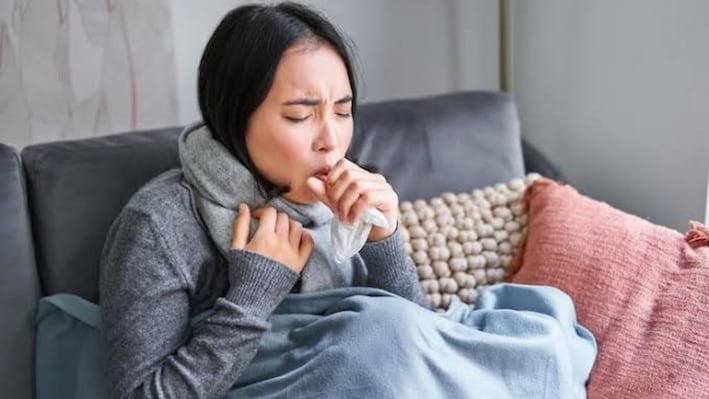
As temperatures dip and festive gatherings give way to chilly mornings, countless households find themselves trapped in a frustrating game of viral relay. Just as one family member shakes off a lingering cough, another comes down with a sore throat, turning what should be a cosy season into weeks of tissue boxes, steam inhalers, and disrupted routines.
While most people instinctively blame a sudden drop in immunity or the nip in the air, the real culprits behind this relentless household cycle often hide in plain sight inside our own living rooms and daily habits. Medical specialists point out that understanding how seasonal triggers, indoor environments, and incomplete recovery collide is the true key to finally breaking the winter illness loop.
Household Ping-Pong Effect
When winter sets in, daily life shifts indoors, creating an ideal environment for respiratory pathogens to circulate unchecked among family members.
Dr Neetu Jain, Senior Consultant · Pulmonology, Critical Care & Sleep Medicine at PSRI Hospital, says, "Winter is coming and for many families that means being caught up in a familiar cycle of cold and cough; one person gets a cold, then a few days later another starts coughing and just when everyone seems to be well, someone is sick again. A key reason is seasonality and increased exposure to respiratory viruses. But recurrent illnesses in winter can also be linked to being indoors, transmission within the household, lack of sleep and common habits that affect the body's ability to recover."
Echoing how quickly infections bounce between school and office routines, Dr Divya Gopal, Additional Director, Internal Medicine at Sir H. N. Reliance Foundation Hospital, says, "In Mumbai, one complaint I hear quite often from patients is that the entire family seems to be falling sick one after another. The child comes home from school with a cold, a few days later the mother develops a sore throat, then the father starts coughing, and by the time everyone recovers, the child is sick again. Many families tell us they have been dealing with cough, cold and fever for almost a month."
Dr Gopal adds, "This is something we commonly see when respiratory infections are circulating, especially during seasonal changes and the winter months. The lifestyle of the people in Mumbai is also an important factor here. People commute in crowded local trains, spend extended periods in air conditioned offices and their children go to congested classrooms. By the time all of them come back home, there are many chances of infections spreading among the family members."
Smog, allergens, and overlapping symptoms
Often, what feels like a single never-ending illness is actually a combination of back-to-back viral strains and heavy urban pollution irritating already sensitive airways.
Dr Nihar Parekh, Co-Founder of Primerry, says, "Winter brings a surge in respiratory viruses, bacteria and allergic coughs and colds. In cities like Delhi & Mumbai, pollution and smog leave the air heavy and still, with little breeze to clear it, so germs and allergens linger in the same area and spread faster. With air quality this poor, it is extremely hard for families to escape coughs and colds, so prevention should match your child’s history. If your child has a good history of fewer illnesses, simple herbal remedies may help support immunity. If your child is prone to wheezing, speak to your paediatrician in advance about preventive medication, as these are the months when symptoms tend to come back with a vengeance."
Dr Jain adds, "Winter is also a time when conditions may be conducive to the spread of respiratory infections. People are congregating in indoor spaces, often in poorly ventilated spaces where viruses are more easily transmitted. Exposure can be even further increased by family members living in close contact (e.g., shared bedrooms and living spaces). Many respiratory infections such as colds, influenza and COVID-19 are caused by different viruses. Having recovered from one infection does not guaranty protection from another. Kids can also carry infections home from school or day care, spreading them unknowingly to parents, grandparents and siblings. Another reason families may feel like they are always sick is because of the overlap of symptoms. Even after the virus is gone, a cough or nasal congestion from one infection may linger and a new infection starts. This can give the impression that the same illness keeps coming back."
Distinguishing between an allergy and an active infection also helps parents respond appropriately. Dr Parekh says, "Parents can think of coughs and colds in two groups. Those without fever are usually allergic, such as a common cold, sore throat or bronchitis, and may need anti-allergics, or inhalers and nebulizers in severe cases, as advised by your doctor. Those with fever are usually viral or bacterial, and if a fever lasts beyond 48 hours, you should see a doctor immediately. Pneumonia and flu are common and peak in winter, so early investigation and treatment make a real difference."
Immunity myth and rushed recoveries
Falling sick twice or thrice in a single season rarely means a person's immune system has suddenly failed; more often, packed schedules prevent the body from healing completely.
Dr Gopal says, "The other thing that I have observed is that people do not allow themselves sufficient recovery time. In Mumbai, it is hard for people to have even two or three days rest from work. So they resort to taking some medicines, feeling slightly fine and then resuming work. Even if they are still infectious, they unknowingly infect others. One misconception I frequently come across is that patients feel their immunity has suddenly become weak because they are falling sick repeatedly. That is not necessarily the case. There are several different viruses that cause similar symptoms, and recovering from one infection doesn't mean you cannot catch another. Also, not every persistent cough is due to a fresh infection. Dust, pollution, mould and allergies can keep irritating the throat and airways even after the original illness has settled."
Dr Jain says, "It doesn't mean your immune system is weak just because you get sick repeatedly. Adults may get a few respiratory infections a year, but young children may get sick more often as they build up immunities to common pathogens. Your overall health and your recovery can be affected by lack of sleep, long-term stress, a poor diet and some underlying medical conditions. People with asthma or diabetes or other chronic conditions are more likely to have more complications from respiratory infections. A well-rounded diet with vegetables, fruits, whole grains, pulses, nuts and sufficient protein supports the immune system to function normally. And, of course, drinking plenty of water and exercising regularly. Vitamins and minerals are most effective when the diet is lacking or a deficiency has been diagnosed and should not be used as a shortcut to stronger immunity. Sleep must also be looked at. Getting enough and regular rest is an important part of winter health as lack of sleep can affect immune responses."
Cleaning up the indoor environment
Because winter keeps families behind closed doors, everyday household items and poor ventilation can quietly prolong respiratory discomfort.
Dr Jain says, "Indoor air quality effects on the transmission of respiratory infection. In close quarters, the absence of proper ventilation means infectious particles can build up. Dust, smoke, incense, strong smell and other airborne irritants can also worsen coughs, sneezes and breathing discomfort. Dry indoor air can irritate the nose and throat and, while it doesn’t explain every recurring infection, it can play a role. Similarly, exposure to cigaret smoke can irritate the respiratory tract and increase susceptibility to respiratory problems. Keep rooms well ventilated whenever possible. Not smoking inside and reducing exposure to dust and other irritants can contribute to a healthier home environment. It’s also a good idea to clean surfaces that are frequently touched, especially if someone in your home is sick."
Offering specific steps to allergen-proof children's bedrooms, Dr Parekh adds, "Prevention starts at home. Use an air purifier in the room where your child sleeps, roll up carpets, pack away soft toys, keep bird feeders away from the house, and use dust- and dust-mite-resistant covers on mattresses, pillows and duvets. Be mindful of potential triggers, as certain foods may aggravate symptoms in some children. Keeping the air adequately humidified can also help reduce irritation caused by dry air. Alongside these measures, parents should focus on building consistent daily wellness habits through balanced nutrition, adequate sleep and good hygiene. Preventive care is always better than waiting for symptoms to appear, and making daily wellness routines easier to follow can go a long way. Child-friendly formats, such as oral sprays and gummies, can make supplementation more convenient and enjoyable, without the daily struggle of bitter pills."
Practical habits and when to seek haelp
Breaking the cycle ultimately depends on consistent hygiene, avoiding unnecessary self-medication, and knowing the warning signs that require prompt clinical care.
Dr Gopal says, "I usually advise families to focus on basic precautions rather than immediately starting antibiotics. Keep windows open whenever possible, wash hands regularly, avoid sharing water bottles and try to maintain some distance from family members who are actively unwell. Wearing a mask when symptomatic can also help. Adequate sleep, regular meals and sufficient fluids are equally important. If fever persists, breathing becomes difficult or symptoms worsen, consult a doctor. Repeatedly taking antibiotics without medical advice can do more harm than good. In most households, breaking this cycle comes down to preventing transmission and giving the body enough time to recover."
Dr Jain adds, "Things you can do to help keep families from getting sick over and over: Wash your hands often with soap and water. Especially after you cough or sneeze, after using the toilet, or when you come home. Simply soap and water. Open windows wherever possible to improve air circulation and install suitable air filters in busy indoor areas. Cover your mouth and nose when you cough or sneeze with your arm or a tissue. Dispose of used tissues promptly. Don’t share personal info: Don’t share drinking glasses, towels or utensils with a sick person. If you are sick, stay home: Avoid close contact with other people, in particular babies, elderly people and people with long-term conditions. Get vaccines: Get your seasonal flu shot and any vaccines your doctor recommends. Recovery matters: Rest up, eat well and don’t rush back into hard training until you’re ready."
Highlighting the red flags families should never ignore, Dr Jain says, "If you catch infections often, or if they are very bad, or last for a long time, or are hard to get rid of, see a doctor. If complications recur due to illnesses, or if there is ongoing fever, unexplained weight loss or repeated chest infections, families should seek advice. If you have trouble breathing, chest pain, confusion or blue lips, you need to see a doctor immediately. Infants, older adults and immunocompromised individuals may require earlier evaluation. In the end, the winter illness loop is not always a sign of poor immunity. Repeated exposures, indoor transmission and overlapping recovery periods all play a part. Better ventilation, good hygiene, healthy routines and timely medical advice will help families reduce avoidable infections and make the winter months healthier for everyone."
(This article features expert quotes provided for informational purposes only. It is not a substitute for professional medical advice. Always consult a qualified healthcare provider regarding any medical condition.)
Stay informed on all the latest news, real-time breaking news updates, and follow all the important headlines in india news and world news on Zee News English.