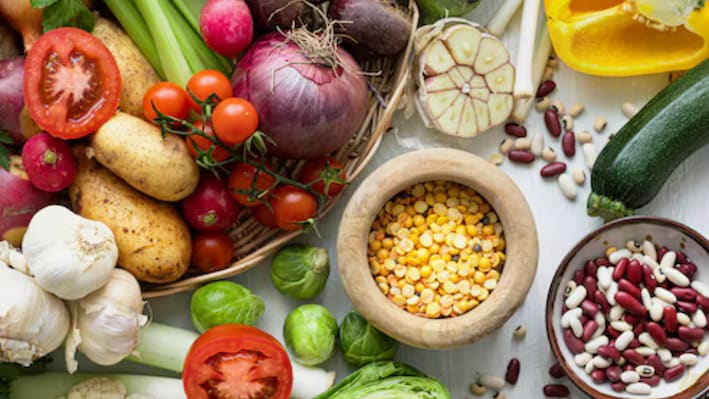
With more and more people conscious of their health and food choices, organic food is becoming more common in the day-to-day diets of many. From cooking oils and spices to grains and everyday snacks, more households are exploring organic options as they take a closer look at what goes into their food. However, there are plenty of myths surrounding organic food, and it's important to separate scientific fact from popular opinion.
What really happens when you make the switch, and are these products truly a health miracle? Experts share key insights into the science of organic living and how to separate marketing fads from daily nutritional reality.
Myth 1: Organic food is always healthier and guaranteed for better health
Selecting organic items does not automatically transform your overall physical condition overnight. Dr Shalini Garwin Bliss Head – Dietetics PSRI Hospital says, "Yes, there are instances where organic foods are not healthier than conventional foods. Some studies have found some differences in some antioxidants and nutrients, but overall the evidence is not conclusive. And the health potential of any food is dependent on various things – variety, soil, ripeness, storage, and handling."
Furthermore, overall lifestyle plays a much larger role than a simple product label. Dr Shalini adds, "Selecting organic food does not guarantee weight loss, better digestion, or prevention of chronic diseases. These results depend on the quality of the person's overall diet, sleep, lifestyle, exercise levels, and health conditions."
Myth 2: Organic diets mean zero pesticides or chemicals
A common misconception is that organic farming eliminates all forms of sprays or chemical compounds entirely. Dr Shalini Garwin Bliss explains, "While new-age organic farming prohibits most synthetic pesticides, it doesn't mean pesticides don't factor in. Organic farming allows for certain approved agents with a natural origin to be used. Organic products also may have pesticide residues from touch or environmental treatment."
Addressing the fundamental nature of what we eat, Dr Shalini continues, "Diets Food is made up of chemicals - water, vitamins, minerals, and other natural substances. Organic is a method of producing, processing and handling food according to certain standards and is not food free of chemicals."
Myth 3: Organic food is only for strict diets and heavy cooking changes
Many consumers assume that transitioning to organic requires abandoning regular recipes or following restrictive meal plans. Mr RK Sinha Founder of Adya Organics says, "Organic food fits into any household’s eating habits. You do not need a special diet or a drastic lifestyle change. Choosing organic staples, oils or snacks can simply be a way of knowing more about how your food is produced."
Integrating these items into daily cooking is far simpler than most people think. Mr RK Sinha adds, "Organic eating does not need a separate menu. Dal, rice, seasonal sabzi, homemade snacks and a traditional Indian breakfast can all stay exactly as they are. What changes is the ingredient, not the recipe."
Myth 4: Organic options are restricted to fresh produce
While fresh fruits and vegetables get the most attention, the scope of organic farming covers the foundation of everyday pantries. Mr RK Sinha, says, "Organic choices go well beyond fruits and vegetables. They include grains, pulses, spices, seeds and cooking oils, the everyday staples of Indian kitchens."
Looking beyond the produce aisle allows households to focus on traditional processing techniques. Mr RK Sinha adds, "Your pantry is a good place to look closely at ingredient quality, sourcing and how a food is made. Wood-pressed oils and stone-ground flours, for example, follow traditional methods that have served Indian kitchens for generations."
Myth 5: Organic food is safer and lasts longer
Freshness and shelf life depend on storage practices rather than organic certification labels. Dr Shalini Garwin Bliss says, "Organic does not mean no food poisoning or long shelf life. Shelf life and freshness depend on a variety of factors: type of produce, conditions at harvest, humidity, temperature, and handling."
Rather than being a modern marketing gimmick, organic practices are deeply rooted in historical farming techniques. Mr RK Sinha says, "Organic farming is not new. It echoes how Indian farmers grew food for generations before chemical inputs became common. Today it follows defined production standards, including restrictions on many synthetic pesticides and chemical fertilisers."
What really happens when you switch to 100% organic food?
Making a complete transition changes both shopping habits and food exposure, though expectations should remain grounded. Dr Shalini Garwin Bliss says, "Some research has proposed an organic diet may reduce your exposure to some pesticide residues. However, that does not mean that consuming only organic will render a healthier you down the road."
Financial and practical considerations also come into play during a total shift. Dr Shalini adds, "Organic foods can be more expensive based on the method of production, certified organic, shifts in the supply chain, and more. If you're working with a tight budget, it may be more practical to purchase seasonal fruits and vegetables and a variety of healthy foods than expect that everything you eat can be organic."
A gradual approach often yields the best long-term results without overwhelming household budgets. Mr RK Sinha says, "A gradual approach makes the transition easier. Begin with the ingredients you use most, such as your cooking oil, atta or dal. Compare options, and add products as your budget and preferences allow."
Ultimately, organic choices work best when paired with an overall balanced lifestyle. Mr RK Sinha adds, "Moving to an entirely organic diet may reduce your exposure to certain pesticide residues, depending on the foods you choose and how they are produced. It can also make you more aware of food labels, ingredient sourcing and your everyday cooking habits. That said, organic food is not a magic formula for better health, and it is not a substitute for professional health advice."
(This article features expert quotes provided for informational purposes only. It is not a substitute for professional medical advice. Always consult a qualified healthcare provider regarding any medical condition.)
With more and more people conscious of their health and food choices, organic food is becoming more common in the day-to-day diets of many. From cooking oils and spices to grains and everyday snacks, more households are exploring organic options as they take a closer look at what goes into their food. However, there are plenty of myths surrounding organic food, and it's important to separate scientific fact from popular opinion.
What really happens when you make the switch, and are these products truly a health miracle? Experts share key insights into the science of organic living and how to separate marketing fads from daily nutritional reality.
Myth 1: Organic Food Is Always Healthier and Guaranteed for Better Health
Selecting organic items does not automatically transform your overall physical condition overnight. Dr Shalini Garwin Bliss Head – Dietetics PSRI Hospital says, "Yes, there are instances where organic foods are not healthier than conventional foods. Some studies have found some differences in some antioxidants and nutrients, but overall the evidence is not conclusive. And the health potential of any food is dependent on various things – variety, soil, ripeness, storage, and handling."
Furthermore, overall lifestyle plays a much larger role than a simple product label. Dr Shalini adds, "Selecting organic food does not guarantee weight loss, better digestion, or prevention of chronic diseases. These results depend on the quality of the person's overall diet, sleep, lifestyle, exercise levels, and health conditions."
Myth 2: Organic Diets Mean Zero Pesticides or Chemicals
A common misconception is that organic farming eliminates all forms of sprays or chemical compounds entirely. Dr Shalini Garwin Bliss explains, "While new-age organic farming prohibits most synthetic pesticides, it doesn't mean pesticides don't factor in. Organic farming allows for certain approved agents with a natural origin to be used. Organic products also may have pesticide residues from touch or environmental treatment."
Addressing the fundamental nature of what we eat, Dr Shalini continues, "Diets Food is made up of chemicals - water, vitamins, minerals, and other natural substances. Organic is a method of producing, processing and handling food according to certain standards and is not food free of chemicals."
Myth 3: Organic Food Is Only for Strict Diets and Heavy Cooking Changes
Many consumers assume that transitioning to organic requires abandoning regular recipes or following restrictive meal plans. Mr RK Sinha Founder of Adya Organics says, "Organic food fits into any household’s eating habits. You do not need a special diet or a drastic lifestyle change. Choosing organic staples, oils or snacks can simply be a way of knowing more about how your food is produced."
Integrating these items into daily cooking is far simpler than most people think. Mr RK Sinha adds, "Organic eating does not need a separate menu. Dal, rice, seasonal sabzi, homemade snacks and a traditional Indian breakfast can all stay exactly as they are. What changes is the ingredient, not the recipe."
Myth 4: Organic Options Are Restricted to Fresh Produce
While fresh fruits and vegetables get the most attention, the scope of organic farming covers the foundation of everyday pantries. Mr RK Sinha Founder of Adya Organics says, "Organic choices go well beyond fruits and vegetables. They include grains, pulses, spices, seeds and cooking oils, the everyday staples of Indian kitchens."
Looking beyond the produce aisle allows households to focus on traditional processing techniques. Mr RK Sinha adds, "Your pantry is a good place to look closely at ingredient quality, sourcing and how a food is made. Wood-pressed oils and stone-ground flours, for example, follow traditional methods that have served Indian kitchens for generations."
Myth 5: Organic Food Is Safer, Lasts Longer, and Is Just a Passing Trend
Freshness and shelf life depend on storage practices rather than organic certification labels. Dr Shalini Garwin Bliss says, "Organic does not mean no food poisoning or long shelf life. Shelf life and freshness depend on a variety of factors: type of produce, conditions at harvest, humidity, temperature, and handling."
Rather than being a modern marketing gimmick, organic practices are deeply rooted in historical farming techniques. Mr RK Sinha says, "Organic farming is not new. It echoes how Indian farmers grew food for generations before chemical inputs became common. Today it follows defined production standards, including restrictions on many synthetic pesticides and chemical fertilisers."
What Really Happens When You Switch to 100% Organic Food?
Making a complete transition changes both shopping habits and food exposure, though expectations should remain grounded. Dr Shalini Garwin Bliss says, "Some research has proposed an organic diet may reduce your exposure to some pesticide residues. However, that does not mean that consuming only organic will render a healthier you down the road."
Financial and practical considerations also come into play during a total shift. Dr Shalini adds, "Organic foods can be more expensive based on the method of production, certified organic, shifts in the supply chain, and more. If you're working with a tight budget, it may be more practical to purchase seasonal fruits and vegetables and a variety of healthy foods than expect that everything you eat can be organic."
A gradual approach often yields the best long-term results without overwhelming household budgets. Mr RK Sinha says, "A gradual approach makes the transition easier. Begin with the ingredients you use most, such as your cooking oil, atta or dal. Compare options, and add products as your budget and preferences allow."
Ultimately, organic choices work best when paired with an overall balanced lifestyle. Mr RK Sinha adds, "Moving to an entirely organic diet may reduce your exposure to certain pesticide residues, depending on the foods you choose and how they are produced. It can also make you more aware of food labels, ingredient sourcing and your everyday cooking habits. That said, organic food is not a magic formula for better health, and it is not a substitute for professional health advice."
The global shift toward organic living has transformed how households approach their daily meals. From kitchen staples to fresh produce, the demand for items grown without synthetic interventions continues to rise as families take a closer look at what goes on their plates. However, navigating the modern food ecosystem requires sifting through an overwhelming stream of marketing claims, wellness trends, and long-held assumptions.
While the choice to switch to natural alternatives stems from a desire for cleaner living, understanding the actual science behind agricultural practices and nutritional value is essential. Experts share key insights to help separate popular misconceptions from agricultural and dietary realities.
Myth 1: Organic Food Is Always Healthier and Nutrient-Superior
Many consumers assume that choosing certified products automatically guarantees higher nutritional content compared to conventional options. However, nutritional value is determined by a much broader set of environmental factors.
Dr Shalini Garwin Bliss Head – Dietetics PSRI Hospital says, "Yes, there are instances where organic foods are not healthier than conventional foods. Some studies have found some differences in some antioxidants and nutrients, but overall the evidence is not conclusive."
Dr Shalini Garwin Bliss adds, "For example, fiber, vitamins and healthy plant compounds will be present in both organic and conventional apples. The best way to improve your nutrition is to eat a variety of fruits, vegetables, whole grains, pulses, nuts and seeds, not just to try to eat organic."
Myth 2: Switching Requires a Total Lifestyle Overhaul and Exclusive Menus
A common misconception is that integrating natural choices into a household requires complex recipes, strict dietary regimens, or replacing every single pantry item overnight.
Dr Shalini Garwin Bliss says, "Organic food fits into any household’s eating habits. You do not need a special diet or a drastic lifestyle change."
Dr Shalini Garwin Bliss adds, "Organic eating does not need a separate menu. Dal, rice, seasonal sabzi, homemade snacks and a traditional Indian breakfast can all stay exactly as they are. What changes is the ingredient, not the recipe."
Myth 3: Organic Means 100% Pesticide and Chemical Free
The assumption that natural farming avoids all external protective agents is another widespread misunderstanding regarding certified agriculture.
Dr Shalini Garwin Bliss says, "While new-age organic farming prohibits most synthetic pesticides, it doesn't mean pesticides don't factor in. Organic farming allows for certain approved agents with a natural origin to be used."
Dr Shalini Garwin Bliss adds, "Diets Food is made up of chemicals - water, vitamins, minerals, and other natural substances. Organic is a method of producing, processing and handling food according to certain standards and is not food free of chemicals."
Myth 4: Sourcing Is Limited Only to Fresh Fruits and Vegetables
Consumers often associate natural agricultural standards solely with the fresh produce aisle, overlooking the broader range of kitchen staples processed through traditional methods.
Dr Shalini Garwin Bliss says, "Organic choices go well beyond fruits and vegetables. They include grains, pulses, spices, seeds and cooking oils, the everyday staples of Indian kitchens."
Dr Shalini Garwin Bliss adds, "Selecting organic food does not guarantee weight loss, better digestion, or prevention of chronic diseases. These results depend on the quality of the person's overall diet, sleep, lifestyle, exercise levels, and health conditions."
Myth 5: Natural Produce Guarantees Longer Shelf Life and Complete Safety
Product longevity and microbial safety depend primarily on post-harvest handling, storage temperatures, and hygiene rather than the farming method employed.
Dr Shalini Garwin Bliss says, "Organic does not mean no food poisoning or long shelf life. Shelf life and freshness depend on a variety of factors: type of produce, conditions at harvest, humidity, temperature, and handling."
Dr Shalini Garwin Bliss adds, "Organic farming is not new. It echoes how Indian farmers grew food for generations before chemical inputs became common. Today it follows defined production standards, including restrictions on many synthetic pesticides and chemical fertilisers."
What Really Happens When You Transition to a Fully Organic Diet?
Adopting a completely natural diet impacts daily shopping routines, budget allocation, and personal awareness, though physical changes vary across individuals.
Dr Shalini Garwin Bliss says, "An all organic regime will change your shopping and eating habits and reduce your exposure to farm chemicals. But the effects are individual and not all changes will confer a clear health benefit."
Dr Shalini Garwin Bliss adds, "Going organic can increase your awareness of food labels, where your food comes from, and how it is grown. This can lead to conscious shopping and planning meals, but the benefits will depend on a person and their habits."
Dr Shalini Garwin Bliss says, "Organic foods can be more expensive based on the method of production, certified organic, shifts in the supply chain, and more. If you're working with a tight budget, it may be more practical to purchase seasonal fruits and vegetables and a variety of healthy foods than expect that everything you eat can be organic."
Dr Shalini Garwin Bliss adds, "Organic food won't necessarily make all the difference in your energy level, digestion, skin, and weight right away. If you see any changes, you can blame something else in your diet instead of the organic food."
Stay informed on all the latest news, real-time breaking news updates, and follow all the important headlines in india news and world news on Zee News English.